Book Appointment Now




You might feel nervous about trying anal play for the first time, but you’re not alone. Sexual health surveys show that in 2001, 31% of Americans had tried anal sex. By 2023, this number has climbed to 42%. Many people worry about pain or believe women can’t enjoy anal play, but studies tell a different story. With good communication, enough lube, and relaxation, you can have a safe and pleasurable experience. Products like anal beads offer gentle ways to explore, so you can discover what feels right for you.
Key Takeaways
- Safety is crucial for anal play. Use plenty of lube to prevent tears and reduce the risk of infections.
- Good hygiene matters. Clean your hands and toys before and after play to avoid bacteria and infections.
- Communication is key. Talk openly with your partner about boundaries and desires to ensure a comfortable experience.
- Start slow. Begin with gentle touches and external stimulation to help your body adjust to new sensations.
- Use body-safe products. Choose toys made from silicone or glass, and always check for a flared base for safety.
- Listen to your body. If you feel pain or discomfort, stop immediately and assess the situation.
- Aftercare is important. Clean up properly and check in with your partner to support emotional well-being.
- Explore solo first. Getting to know your body can build confidence and help you communicate better with a partner.
Safety Basics
Why Safety Matters
You might wonder why safety gets so much attention when it comes to anal play. The answer is simple: the tissues in your anus and rectum are delicate and do not produce natural lubrication. This makes them more likely to tear or bleed if you rush or skip important steps. Tears can let bacteria and viruses enter your body, raising your risk for infections and sexually transmitted infections (STIs). Even minor bleeding can happen if you use too much force or not enough lube.
Here are some common health risks you should know about:
- The anal area contains many microorganisms, which can cause infections if they enter your body.
- The anal sphincter can tear easily, especially if you do not use enough lubrication.
- Unprotected anal sex is one of the riskiest activities for STI transmission.
- Anal play can make conditions like hemorrhoids worse, sometimes causing bleeding.
You can lower these risks by preparing well, using the right products, and communicating with your partner. Taking these steps helps you focus on pleasure instead of worry.
Hygiene Prep
Cleaning Tips
Good hygiene is key for safe and enjoyable anal play. You do not need to go overboard, but a few simple steps can make a big difference. Start by washing your hands with soap and water. Clean your anus with warm water—skip harsh soaps, as they can irritate sensitive skin. Some people like to shower before play, which can help you feel fresh and relaxed.
If you plan to use toys like anal beads, wash them with warm water and mild, unscented soap before and after each use. You can also use a condom on toys for easier cleanup and extra protection. Never switch from anal to vaginal play without cleaning first. This helps prevent infections.
Tip: Showering together can help you relax and build trust with your partner.
Food Considerations
What you eat before anal play matters more than you might think. Stick to light, low-residue foods, such as bananas, rice, or toast, a few hours before you start. Avoid spicy foods, dairy, or anything that upsets your stomach. Drink plenty of water to keep your body hydrated and your digestive system running smoothly.
If you feel nervous about cleanliness, remember that your body naturally clears out most waste. You do not need to use enemas unless you feel more comfortable doing so, but always use gentle products and follow medical advice if you choose this step.
Consent and Communication
Setting Boundaries
Consent is the foundation of any safe sexual experience. You and your partner should talk openly about what you want to try and what feels off-limits. Use “I” statements to share your feelings, like “I feel curious about trying anal beads,” or “I am not ready for penetration.” Listen to your partner without interrupting, and respect their boundaries.
Here are some ways to set clear boundaries:
- Say what you want and do not want to try.
- Agree on a safe word that means “stop” for both of you.
- Check in with each other before moving to a new activity.
Checking In
Consent is not a one-time thing. Keep checking in with your partner during play. Ask questions like, “How does this feel?” or “Do you want to keep going?” If either of you feels uncomfortable, stop right away. This builds trust and helps both of you enjoy the experience.
Note: Curiosity and open communication make anal play safer and more enjoyable for everyone.
If you want more tips on healthy sexual communication, you can visit Planned Parenthood’s guide to consent or check out Scarleteen’s communication resources.
Preventing Injury
You want to enjoy anal play without worry, so understanding how to prevent injury is essential. The tissues in your anus are sensitive and can get hurt if you rush or skip important steps. Injuries like tears, abrasions, and bruising happen more often than you might think, especially if you use too much force or not enough lube. Anal fissures—small tears inside the anus—can cause pain and bleeding. In rare cases, damage to the anal sphincter muscle can lead to problems with bowel control. You can avoid most of these issues with good preparation, gentle techniques, and by listening to your body.
Warning Signs
Your body gives you signals when something is wrong. Paying attention to these warning signs helps you stop before a minor issue becomes a bigger problem.
- Sharp or sudden pain during play
- Bleeding, even a small amount
- Burning or stinging sensations
- Swelling or bruising around the anus
- Trouble controlling bowel movements
- Persistent discomfort after play
If you notice any of these signs, pause right away. You might feel tempted to push through, but ignoring pain can lead to more serious injuries. Even with beginner-friendly products like anal beads, you should always check in with yourself and your partner. If you see blood or feel sharp pain, your body is telling you to stop.
Tip: Keep a small mirror nearby. It helps you check for redness or swelling if you feel unsure.
What to Do if Uncomfortable
You might feel discomfort at some point, even if you follow all the safety steps. Here’s what you should do:
- Stop the activity immediately. Take a few deep breaths and assess how you feel.
- If you notice a small tear or fissure, keep your stool soft by drinking water and eating fiber-rich foods.
- Take a warm bath to soothe the area. Warm water can relax your muscles and ease discomfort.
- Apply a gentle cream, like aloe vera or a hemorrhoid ointment, to help with healing.
- Avoid further anal play until you feel completely better.
- If pain or bleeding continues, or if you have trouble controlling your bowels, reach out to a healthcare provider. They can check for more serious injuries and give you the right treatment.
You can find more information about anal health and injury prevention from trusted sources like Planned Parenthood and Scarleteen.
Note: Most injuries heal on their own with rest and care. If you ever feel worried, it’s always okay to ask a medical professional for advice.
Beginner Tips
Start Slow
Trying something new can feel intimidating, especially when it comes to anal play. You might wonder why everyone says to “start slow.” The answer is simple: your body needs time to adjust. Rushing can lead to pain or injury, so patience is your best friend here. Sex educators recommend you begin with gentle, external touch. Explore the area with your fingers or let your partner use theirs. This helps you get used to new sensations and builds trust with your body.
Warming Up with Fingers
Fingers are the perfect tool for warming up. They give you control over pressure and speed. Start by massaging the outside of your anus with a well-lubricated finger. You can use small circles or gentle tapping. If you feel comfortable, try inserting just the tip of your finger. Go slow and listen to your body. If you want to try anal beads later, warming up with fingers first makes the experience smoother and more enjoyable.
Relaxation Techniques
Relaxation is key for comfort and pleasure. Tension in your body can make anal play uncomfortable. Try deep breathing exercises before you start. Inhale slowly, hold for a few seconds, then exhale. You can also play calming music or dim the lights to create a soothing atmosphere. Some people find that a warm bath helps relax their muscles. The more relaxed you feel, the easier it is for your body to welcome new sensations.
Lubrication Essentials
You might ask, “Why is lube so important?” The anus does not produce its own lubrication, so you need to add plenty. Lubricant reduces friction, lowers the risk of tears, and makes everything feel better. Health professionals say that using a high-quality lube is essential for safety and pleasure.
Water-Based vs. Silicone Lubes
Choosing the right lubricant can make a big difference. Here’s a quick comparison:
| Lubricant Type | Description |
|---|---|
| Silicone-based lube | Lasts longer, ideal for anal play. |
| Hybrid water-silicone lube | Lighter feel, still effective and smooth. |
Silicone-based lubes stay slick for a long time, so you don’t have to reapply as often. Hybrid lubes offer a lighter texture but still provide good protection.
How Much to Use
When it comes to lube, more is better. Don’t be shy—use a generous amount. This keeps things comfortable and protects your sensitive tissues. If you feel any dryness or resistance, add more. You can always wipe away extra, but you can’t undo discomfort or injury. Using enough lube is one of the best ways to make anal play safe and enjoyable.
Listen to Your Body
Your body knows what feels good and what doesn’t. Pay attention to every sensation. If you feel pain, burning, or sharp discomfort, stop right away. These are signs that something isn’t right.
Adjusting Pace
You control the pace. If you need to slow down or take a break, do it. There’s no rush. Adjusting your speed helps you stay comfortable and relaxed.
Stopping When Needed
Never ignore pain. If you experience sharp, intense pain or heavy bleeding, stop immediately. These symptoms can signal an injury. Take care of yourself and seek medical advice if needed. Your safety always comes first.
Tip: Open communication, patience, and plenty of lube are the keys to a positive experience.
Aftercare
You might think the experience ends when the play stops, but aftercare is just as important as preparation. Aftercare helps your body recover and supports your emotional well-being. It’s a way to show yourself and your partner care and respect.
Cleaning Up
Why does cleaning up matter so much after anal play? The answer is simple: it keeps you healthy and comfortable. The anal area contains bacteria that can cause infections if not cleaned properly. You want to avoid irritation, odor, or any lingering discomfort.
Here’s how you can take care of yourself after anal play:
- Wash your hands and the anal area with warm water. Use a mild, fragrance-free soap. This helps prevent infections and keeps your skin happy.
- If you used a condom on a toy or during play, remove it carefully and throw it away. Condoms help minimize mess and make cleanup easier.
- Clean any sex toys right after use. Follow the manufacturer’s instructions. Most toys can be washed with warm water and gentle soap. Make sure they dry completely before storing them.
- If you switch from anal to vaginal play in the future, always clean up first. This prevents bacteria from moving to the vagina, which can cause infections.
Tip: Take your time with cleanup. Rushing can lead to missed spots or irritation. You deserve to feel fresh and comfortable.
You can find more hygiene tips from Planned Parenthood and Scarleteen.
Emotional Support
Aftercare isn’t just about your body. Your feelings matter, too. Anal play can bring up a mix of emotions—excitement, vulnerability, or even nervousness. Checking in with yourself and your partner helps you both feel safe and valued.
Why should you focus on emotional support? It builds trust and deepens your connection. Here are some ways to offer emotional aftercare:
- Spend a few minutes cuddling or holding hands. Physical touch reassures both of you.
- Talk openly about how you feel. Ask your partner, “How are you feeling?” or “Was there anything you liked or didn’t like?”
- Share positive feedback. A simple “Thank you for trusting me” goes a long way.
- If you feel anxious or unsure, let your partner know. Honest communication helps you both grow and enjoy future experiences.
Note: Emotional aftercare isn’t just for couples. If you explore solo, take a moment to check in with yourself. Reflect on what felt good and what you might want to try next time.
You can read more about emotional aftercare and healthy sexual communication at Scarleteen’s relationships section or follow sex educators on social media for real-life tips.
Aftercare shows you value your health and your feelings. It turns a good experience into a great one and helps you look forward to exploring more.
Anal Toys and Anal Beads
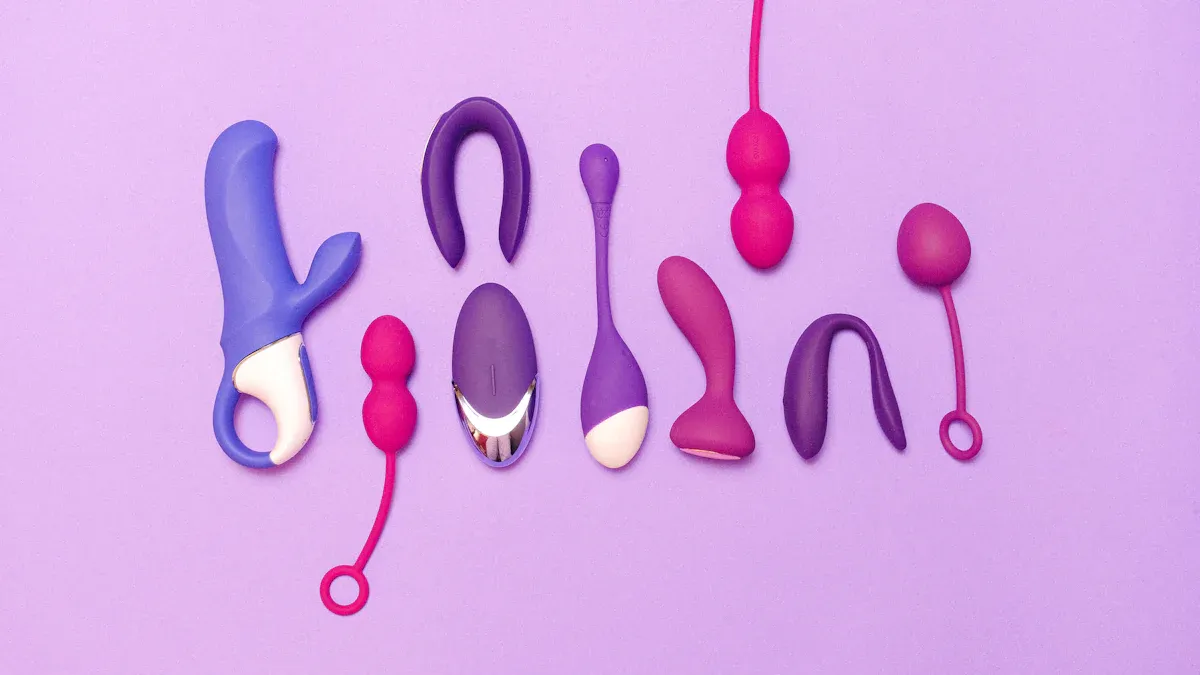
Exploring anal play can feel less intimidating when you know which toys work best for beginners. The right toy helps you feel safe, comfortable, and in control. Let’s break down the most popular options and how to use them safely.
Anal Beads for Beginners
Anal beads are a favorite starting point for many people. They offer a gentle way to explore new sensations and let you control the pace. Each bead increases in size, so you can stop at any point that feels right for you.
Choosing the Right Size
When you pick your first set of anal beads, size matters. Start with a set that has small, gradually increasing beads. This design helps your body adjust slowly. Look for beads made from soft, flexible silicone. A flared base or a looped handle is a must for safe removal.
Here are some features to look for in beginner-friendly anal beads:
- Smooth, flexible shaft for easy insertion
- Gradual size progression from small to medium
- Soft, body-safe silicone material
- Flared base or retrieval loop for safety
- Easy to clean and sanitize
Tip: Never use beads that do not have a flared base or handle. This keeps you safe and prevents the toy from getting lost.
How to Use Safely
You want your experience to be safe and enjoyable. Always use plenty of water-based or silicone-based lubricant. Go slow and listen to your body. Insert one bead at a time, stopping if you feel any discomfort. When you’re ready to remove the beads, do so gently and slowly.
Key safety steps for using anal beads:
- Apply a generous amount of lube before and during use.
- Insert beads one at a time, pausing if you need to.
- Always hold onto the retrieval loop or base.
- Clean your beads thoroughly after each use with warm water and mild soap.
- Never share toys without cleaning them first.
If you want more tips on toy safety, check out Planned Parenthood’s guide to sex toy safety.
Popular beginner-friendly anal beads include:
| Toy Feature | Why It’s Good for Beginners |
|---|---|
| Flexible shaft | Easy to insert and comfortable |
| Gradual bead sizes | Lets you control depth and comfort |
| Soft silicone | Gentle on sensitive skin |
| Flared base or handle | Ensures safe removal |
Butt Plugs and Other Toys
If you want to try something different, small butt plugs and slim vibrators are great options. Each offers unique sensations and safety features for beginners.
Small Plugs
Small butt plugs are designed for comfort and safety. They have a tapered tip for easy insertion and a flared base to keep them in place. You can wear them for a short time or during other activities. Many people use them to get used to the feeling of fullness.
- Manageable size makes them less intimidating
- Tapered tip helps with gentle insertion
- Flared base prevents the toy from slipping inside
Slim Vibrators
Slim vibrators add another layer of pleasure. They are narrow and easy to insert, making them ideal for those who feel nervous about anal play. Vibrations can help relax your muscles and increase enjoyment.
- Provide gentle stimulation to sensitive areas
- Help relax the sphincter muscles
- Can be used solo or with a partner
Here’s a quick comparison to help you decide:
| Toy Type | Best For | Key Features |
|---|---|---|
| Small Butt Plug | Feeling of fullness | Tapered tip, flared base, stays put |
| Slim Vibrator | Extra stimulation | Vibrations, slim shape, easy to use |
Note: Always choose toys with a flared base or retrieval handle for safety.
Safe Materials
Choosing the right material is just as important as picking the right toy. Some materials are safer and easier to clean than others.
Body-Safe Silicone
Silicone is a top choice for anal toys. It’s non-porous, hypoallergenic, and easy to sterilize. You can boil silicone toys or wash them with soap and water. Glass and metal are also safe options if they are made from borosilicate glass or stainless steel. These materials are smooth, non-porous, and free from harmful chemicals.
| Material | Safety Level | Cleaning Method | Notes |
|---|---|---|---|
| Silicone | Excellent | Boil or wash with soap | Hypoallergenic, non-porous |
| Glass | Excellent | Boil or wash with soap | Use only borosilicate glass |
| Metal | Excellent | Boil or wash with soap | Stainless steel preferred |
| ABS Plastic | Good | Wash with soap | Non-porous, phthalate-free |
| TPE/TPR | Fair | Wash with soap | Porous, use with condom |
Materials to Avoid
Health concerns come from potential exposure to a variety of harmful chemicals, most concerningly phthalates. Phthalates are used in sex toys and other plastics because they help soften the plastic material and make the end product more flexible. These can be harmful, however, because phthalates off-gas, meaning that they break down over time and leak chemicals, plastics, and other materials. Various studies have shown that exposure to large amounts of phthalates are linked to breast cancer, developmental issues, decreased fertility, birth defects, change in hormone levels, obesity, and asthma.
Avoid toys made from jelly, rubber, or any material that smells strongly of chemicals. These can contain phthalates or other substances that may harm your health. Always check for labels like “phthalate-free” or “body-safe” before buying a new toy.
If you want more information about safe sex toy materials, visit Scarleteen’s guide to sex toy safety or follow sexual health educators on social media for up-to-date advice.
Using Condoms on Toys
You might wonder why so many sex educators recommend using condoms on anal toys, even if you’re playing solo or with a trusted partner. The answer comes down to safety, comfort, and peace of mind. Condoms act as a simple barrier that can make your experience cleaner and much safer.
Infection Prevention
Your rectal tissue is delicate and more likely to tear than other parts of your body. Even tiny tears can let bacteria or viruses enter, raising your risk for infections. Using condoms on toys creates a protective layer that helps keep germs out. This is especially important because the CDC points out that anal sex carries the highest risk for HIV transmission. Other STIs like chlamydia, gonorrhea, and herpes can also spread through anal play, even if you only use toys.
Here’s why condoms matter for infection prevention:
- They reduce the risk of passing STIs between partners, especially if you share toys.
- They protect you from bacteria that can linger on toys, even after cleaning.
- They help prevent cross-contamination if you switch from anal to vaginal play.
If you use anal beads or other toys with a partner, always put on a fresh condom before sharing. This simple step can make a big difference for your health. For more on sexual safety, check out CDC’s guide to safer sex or Scarleteen’s safer sex resources.
Tip: If you have multiple toys, use a new condom for each one. This keeps everything as safe as possible.
Easier Cleanup
Let’s face it—anal play can get messy. Condoms make cleanup much easier. When you’re done, just remove the condom and throw it away. You don’t have to worry about scrubbing every little crevice of your toy, especially if it has a textured surface or beads.
Here’s how condoms help with cleanup:
- They catch most of the mess, so your toys stay cleaner.
- They save you time and effort, especially if you want to switch toys quickly.
- They protect toys made from porous materials that are harder to sanitize.
If you use toys made from materials that can’t be boiled or fully disinfected, condoms add an extra layer of protection. This is a smart move for anyone who wants to keep their toys in good shape and avoid unwanted bacteria.
Note: Always use water-based or silicone-based lube with condoms to keep everything smooth and comfortable.
Using condoms on toys is a small step that brings big benefits. You protect your health, make cleanup a breeze, and get to focus on what feels good. If you want more tips on toy safety and cleaning, visit Planned Parenthood’s sex toy safety page or follow sexual health educators on social media for real-life advice.
Common Concerns
Myths vs. Facts
You might hear a lot of myths about anal play, and these can make you feel nervous or unsure. Why do these myths stick around? Often, people don’t talk openly about anal play, so rumors and misunderstandings spread easily. Let’s clear up some of the most common myths:
- Many people believe anal sex always hurts. In reality, with enough preparation, lube, and patience, you can have a comfortable and even pleasurable experience.
- Some think you need to jump straight into penetration. Actually, starting with a modest-sized toy or your fingers helps your body adjust and makes things much easier.
- You might hear that solo play isn’t useful. Exploring on your own helps you learn what feels good and builds your confidence before sharing the experience with a partner.
Tip: Take your time, use plenty of lube, and listen to your body. You’ll discover what works best for you.
Addressing Embarrassment
Why do so many people feel embarrassed about anal play? Stigma and shame play a big role. Society often treats anal sexuality as taboo, which can make you feel anxious or self-conscious. This is especially true for men who have sex with men, but anyone can feel this way.
- Stigma around anal play creates discomfort and anxiety.
- Internalized shame can stick with you, even after the experience ends.
- Not knowing enough about anal anatomy or sexual health can make you feel more vulnerable.
You might also notice that reliable information about anal play is hard to find. Many people turn to partners or online videos, which can set unrealistic expectations. Most sex education skips this topic, so you might feel alone or confused.
Note: You’re not alone in feeling this way. Talking with a trusted partner or seeking out accurate resources—like Scarleteen or Planned Parenthood—can help you feel more confident and less isolated.
When to Seek Help
You might wonder why it’s important to know when to reach out for medical help. Anal play is usually safe, but sometimes things don’t go as planned. Recognizing warning signs early helps you protect your health.
Signs of Injury
Pay attention to your body after anal play. If you notice any of these symptoms, it’s time to pause and consider getting help:
- Severe anal pain that doesn’t go away
- Noticeable bleeding
- Pain that lingers for several days
These symptoms can signal an injury that needs medical attention. Don’t ignore them, even if you feel embarrassed.
Consulting a Professional
Why should you see a healthcare provider? Medical professionals can check for injuries, infections, or other issues. They answer your questions without judgment and help you heal faster. If you feel nervous about talking to a doctor, remember that your health and comfort matter most.
Callout: If you ever feel unsure, it’s better to ask for help than to wait. Your well-being comes first.
You can find more information about sexual health and when to seek care at Planned Parenthood or by following sexual health educators on social media. Taking care of yourself shows strength and self-respect.
Communication and Comfort
Exploring anal play can feel intimidating, but creating a safe and comfortable environment makes all the difference. You might wonder why communication and comfort matter so much. The answer is simple: when you feel safe, you can relax, enjoy yourself, and discover what truly feels good.
Creating a Safe Space
You deserve a space where you can express yourself without fear or embarrassment. A safe space starts with trust and respect. When you talk openly about your desires and boundaries, you build a foundation for positive experiences. This kind of honesty helps you and your partner avoid misunderstandings and ensures that everyone feels valued.
Tip: Use “I” statements like “I feel curious about trying something new” to share your feelings without putting pressure on anyone.
A safe space also means having clear boundaries. Discuss what you want to try, what feels off-limits, and any concerns you have. Many people find it helpful to create a “Yes, No, Maybe” list together. This simple exercise helps you both understand each other’s interests and limits. Revisiting these conversations regularly keeps your connection strong and your experiences enjoyable.
Partnered Play
Why does communication matter so much during partnered anal play? Relationship counselors say that open dialogue prevents discomfort and builds trust. When you and your partner talk about comfort levels, you both feel more in control. Here are some techniques that can help:
- Always use plenty of lube to prevent discomfort.
- Start with non-penetrative touch to ease into the experience.
- Check in with each other throughout the process.
You can also set up a safe word. This gives you both a way to pause or stop if anything feels wrong. Discussing roles and expectations before you begin helps clarify what each person wants. When you talk about boundaries and preferences, you create a space where both of you feel respected.
- Use “I” statements to express your desires.
- Make a “Yes, No, Maybe” list to guide your exploration.
- Update your communication as your interests change.
Consent is not just a one-time conversation. Keep checking in, especially if you try something new. This ongoing dialogue deepens intimacy and helps you both feel safe. For more tips on sexual communication, visit Scarleteen’s communication resources.
Solo Exploration
You might ask, “Why try solo anal play?” Exploring on your own offers many benefits. You get to learn what feels good at your own pace, without pressure. This self-awareness helps you tune into your preferences for pressure, speed, and sensation. When you know what you like, you can communicate better with a partner later.
- Solo play helps you relax your mind and body.
- You gain control over the experience, which builds confidence.
- You can experiment with different types of stimulation and discover new erogenous zones.
Practicing solo also helps train your body for future experiences. Over time, you may find that larger toys or penetration become more comfortable. This kind of exploration can even lead to new types of pleasure or orgasms. If you want to learn more about solo sexual health, check out Planned Parenthood’s guide to masturbation.
Note: Solo exploration is a powerful way to reclaim your body and build comfort. It’s your journey—take it at your own pace.
By focusing on communication and comfort, you set yourself up for positive, safe, and enjoyable anal play—whether you’re with a partner or on your own.
Building Confidence
Overcoming Hesitation
You might feel nervous or unsure when you think about trying anal play for the first time. That’s completely normal. Many people hesitate because they worry about pain, embarrassment, or doing something “wrong.” Why does this hesitation happen? Your mind wants to protect you from the unknown. But you can build confidence step by step.
Sex therapists suggest you start by relaxing your body and mind. Take a few deep breaths. This simple act helps calm your nerves and signals your body that you’re safe. Begin with external stimulation—touching or massaging the area around your anus. You don’t have to rush into penetration. This gentle approach lets you get used to new sensations and helps you feel more in control.
Tip: Use plenty of lubricant from the start. Lubrication reduces friction and makes everything feel smoother and more comfortable.
Why is communication so important? Consent is not just a one-time “yes.” It’s an ongoing conversation. Talk openly with your partner about what you want to try and what feels off-limits. Be specific about what anal play means to you. Discuss the type of touch or penetration you feel curious about. Make sure both of you understand your roles and desires before you begin. This clarity helps you feel safer and more confident.
You might worry that your first experience won’t be perfect. That’s okay! Most people need a few tries to figure out what feels good. Discomfort or hesitation is normal. If something doesn’t feel right, pause and talk about it. Practice and honest communication help you improve each time. For more advice on building sexual confidence, check out Scarleteen’s guide to sexual self-esteem.
Celebrating Progress
Why should you celebrate your progress? Every step you take—no matter how small—shows courage and self-respect. You’re learning about your body and what brings you pleasure. That’s something to feel proud of.
Here are some ways to recognize your growth:
- Notice when you feel more relaxed or curious than before.
- Celebrate when you communicate your needs or boundaries clearly.
- Acknowledge moments when you try something new, even if it’s just a gentle touch.
| Progress Milestone | Why It Matters |
|---|---|
| Feeling less nervous | Shows growing comfort and trust |
| Using more lube or toys | Means you’re learning what works |
| Talking openly with partner | Builds intimacy and confidence |
Note: Progress doesn’t mean perfection. It means you’re moving forward at your own pace.
If you ever feel stuck or unsure, remember that you can always seek support. Online communities and resources like Planned Parenthood offer advice and encouragement. Sharing your journey with a trusted friend or partner can also help you see how far you’ve come.
Building confidence takes time, but every positive step counts. You deserve to feel proud of your exploration and growth. Keep listening to your body, communicating openly, and celebrating each milestone along the way. 🌟
You deserve a safe and enjoyable experience with anal play. Why focus on safety, preparation, and communication? These steps help you avoid discomfort and build trust with yourself or your partner. Start slow, use body-safe products, and listen to your body’s signals. If you ever feel unsure, reach out for advice or check trusted resources. Your comfort and confidence matter most.
Remember: Exploring at your own pace leads to the best results. 🌟
FAQ
What if I feel pain during anal play?
Stop right away if you feel pain. Add more lube and try relaxing your body. If pain continues, take a break and check for any injury. Listen to your body. For more tips, visit Scarleteen’s anal play guide.
How do I talk to my partner about trying anal play?
Start with an honest conversation. Share your curiosity and ask about their feelings. Use “I” statements, like “I’d like to try something new.” Set boundaries together. You can find more communication tips at Planned Parenthood’s consent guide.
Do I need to use a condom with anal toys?
Yes, using a condom on toys helps prevent infections and makes cleanup easier. Always use a new condom if you share toys or switch between partners. This simple step keeps you safer and protects your health.
How much lube should I use?
Use a generous amount of lube—more than you think you need. The anus does not self-lubricate. Reapply as needed to keep things comfortable and safe. Water-based or silicone-based lubes work best for anal play.
Can I get an infection from anal play?
Yes, you can. The rectal area contains bacteria. Always wash your hands and toys before and after use. Use condoms on toys and never switch from anal to vaginal play without cleaning. For more info, check CDC’s safer sex tips.
Is it normal to feel nervous about trying anal play?
Absolutely. Many people feel nervous at first. Take your time, start slow, and focus on what feels good. Solo exploration can help you build confidence before involving a partner. Remember, you set the pace.
What should I do if something gets stuck?
Stay calm. Do not try to remove it with sharp objects. Relax and try to gently push it out. If you cannot remove it, seek medical help right away. Medical professionals handle this situation often and will not judge you.
How do I clean anal toys properly?
Wash toys with warm water and mild, unscented soap after each use. Let them dry completely before storing. For extra safety, boil silicone, glass, or metal toys if the manufacturer allows. Always check the care instructions that come with your toy.